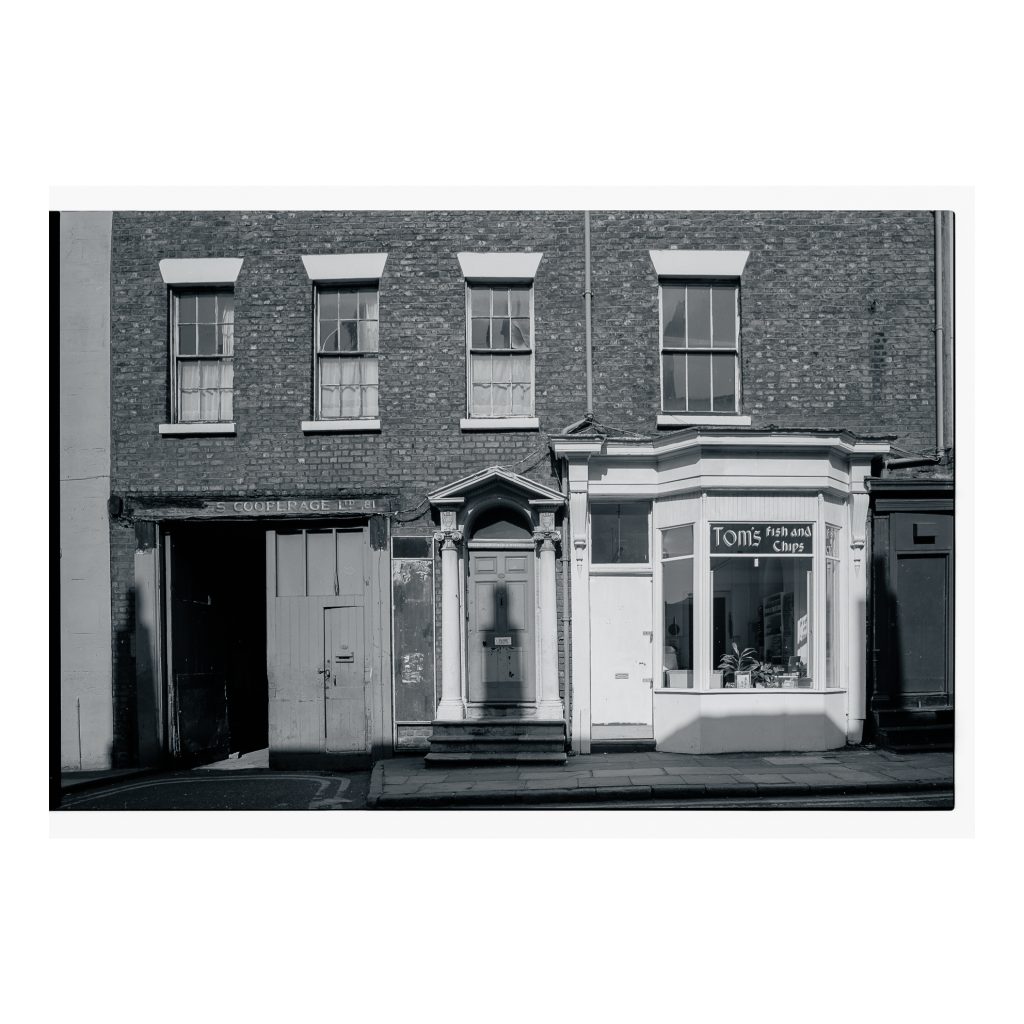
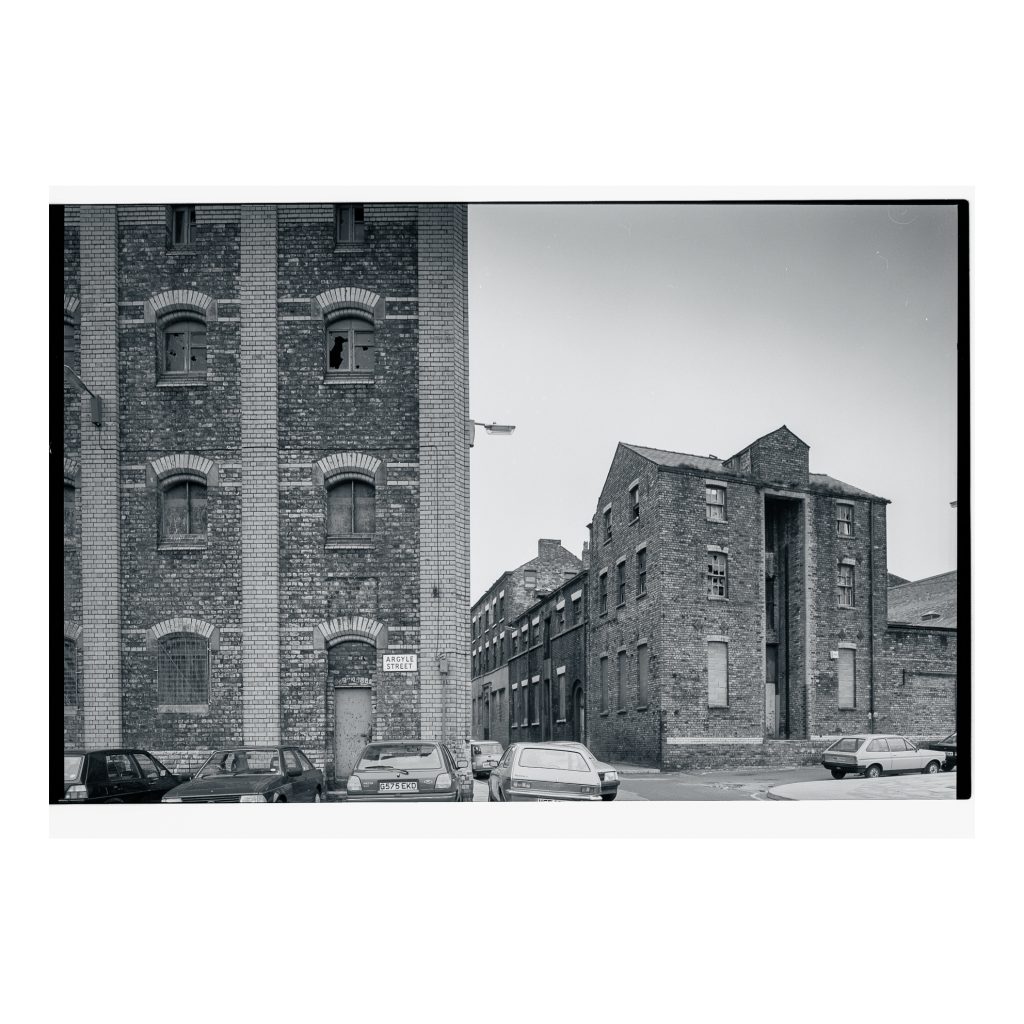
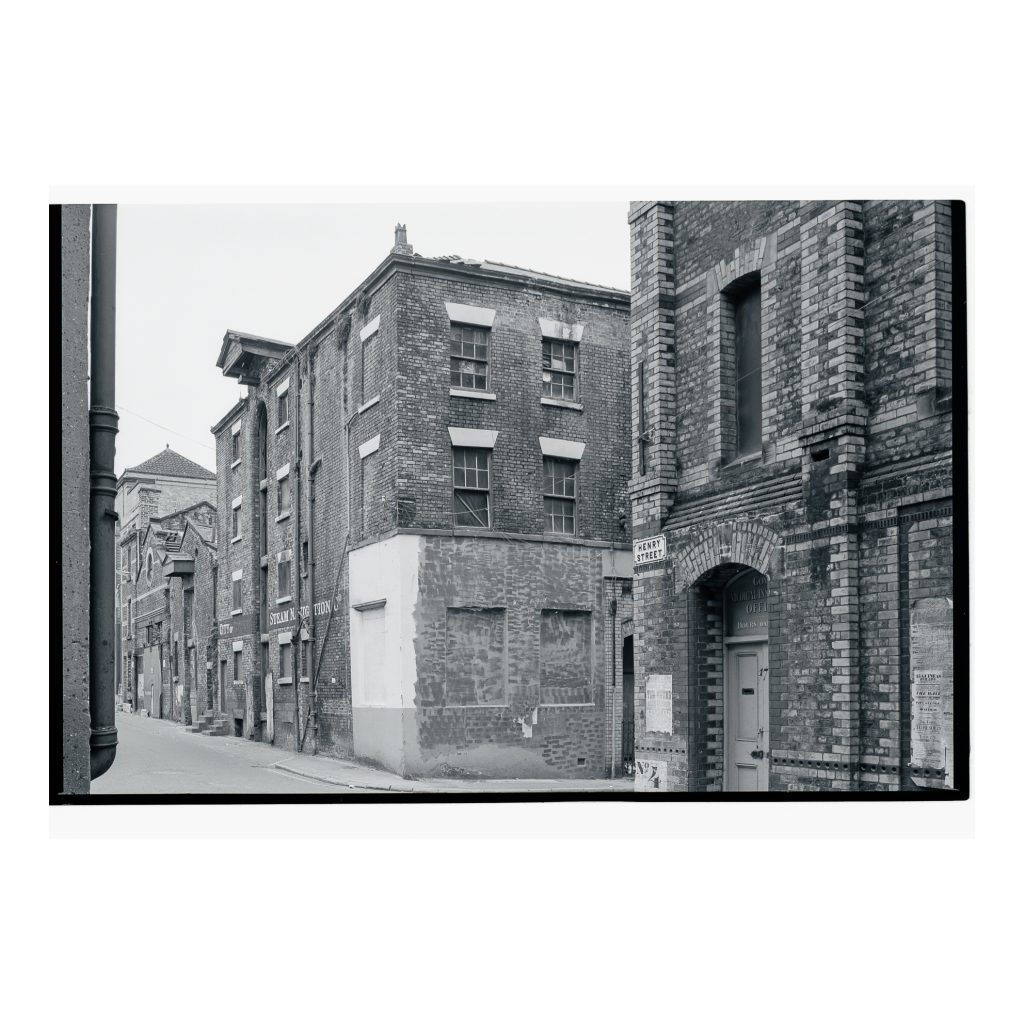
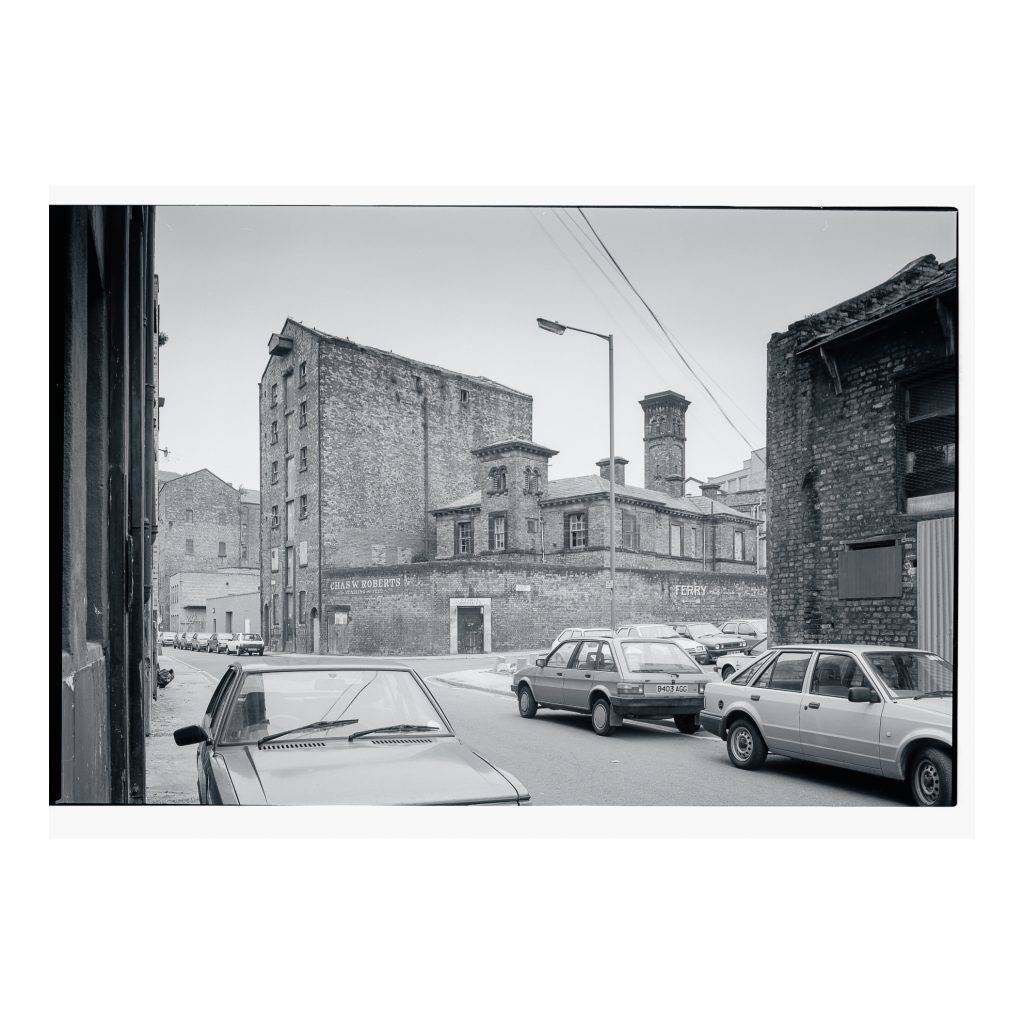
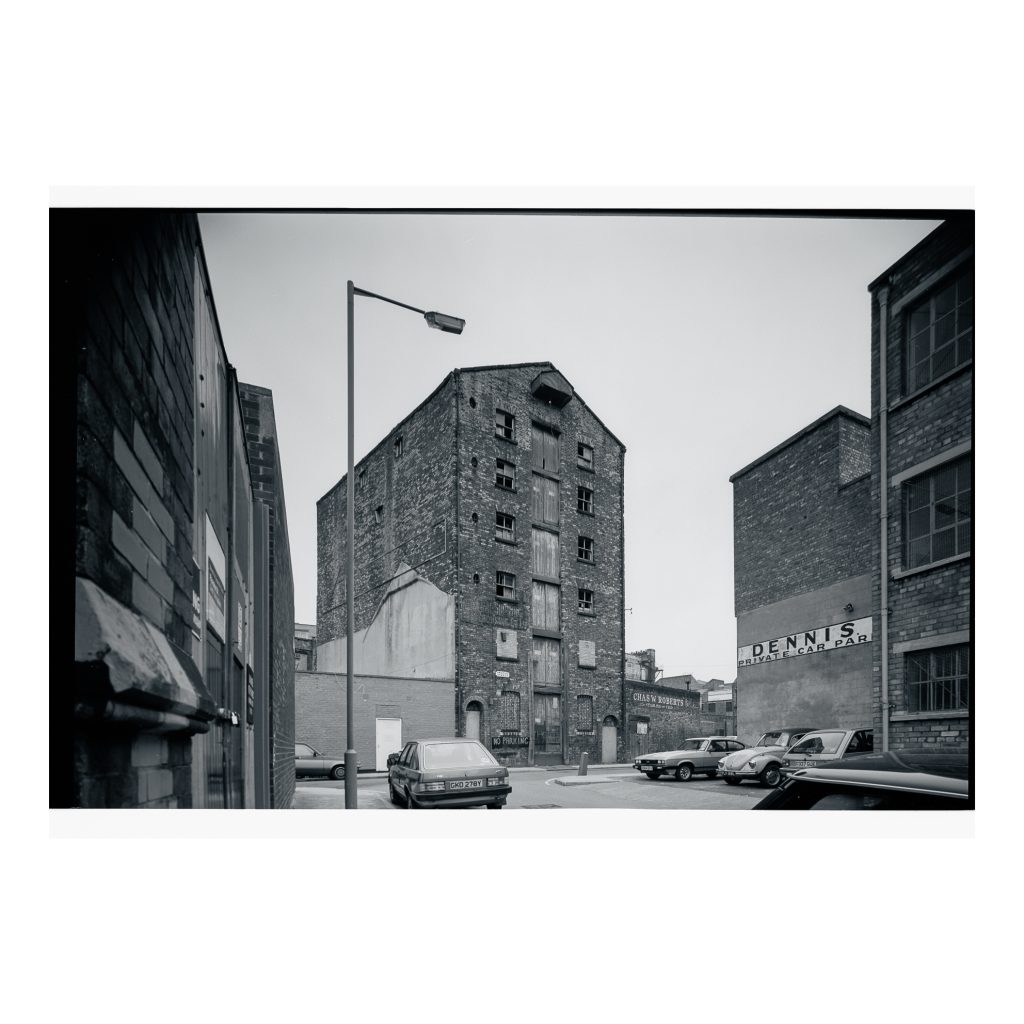
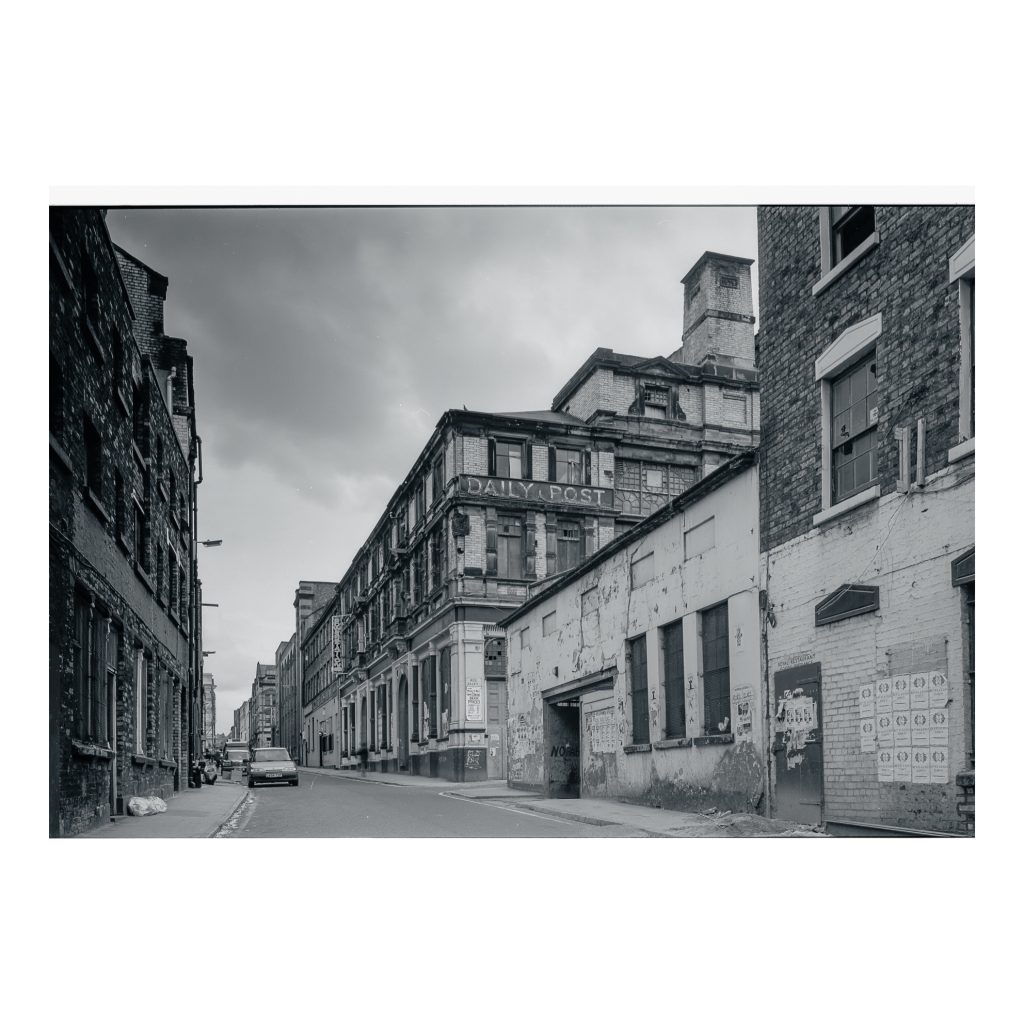
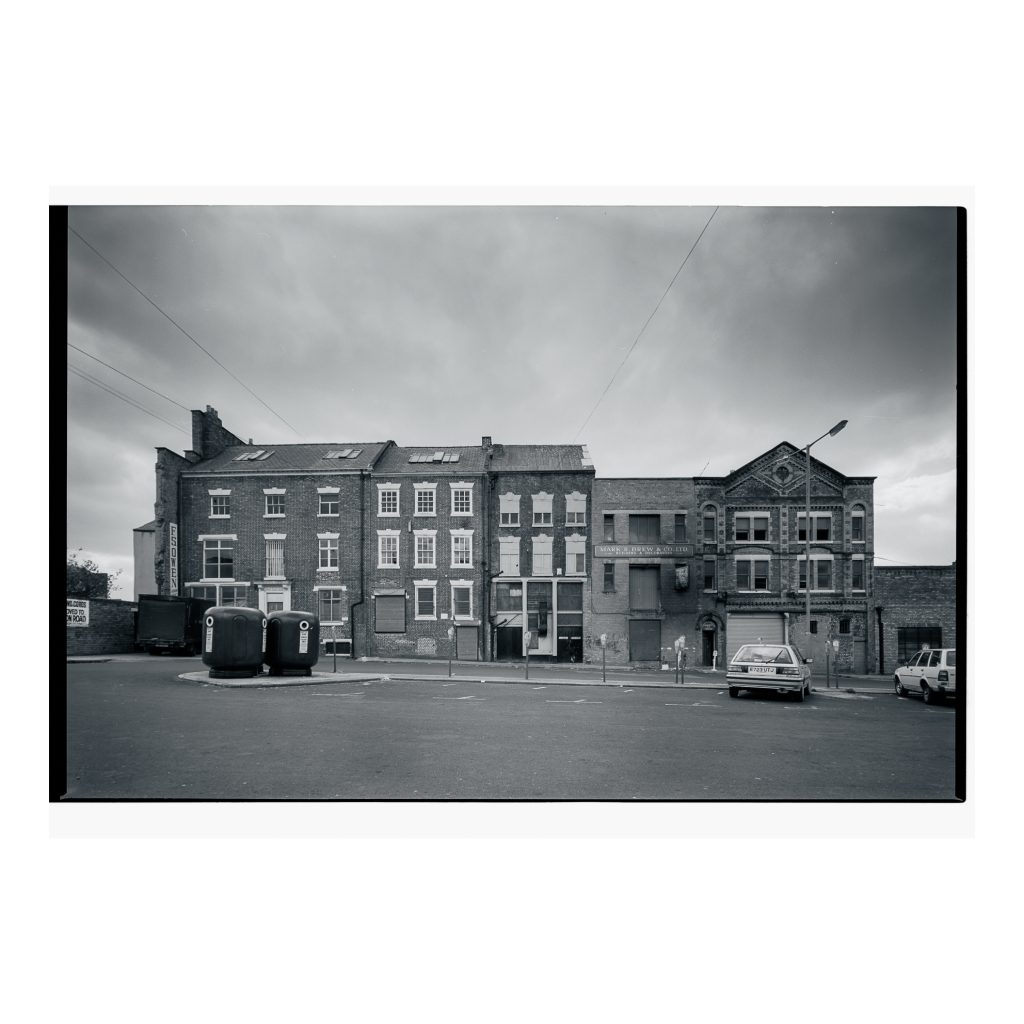
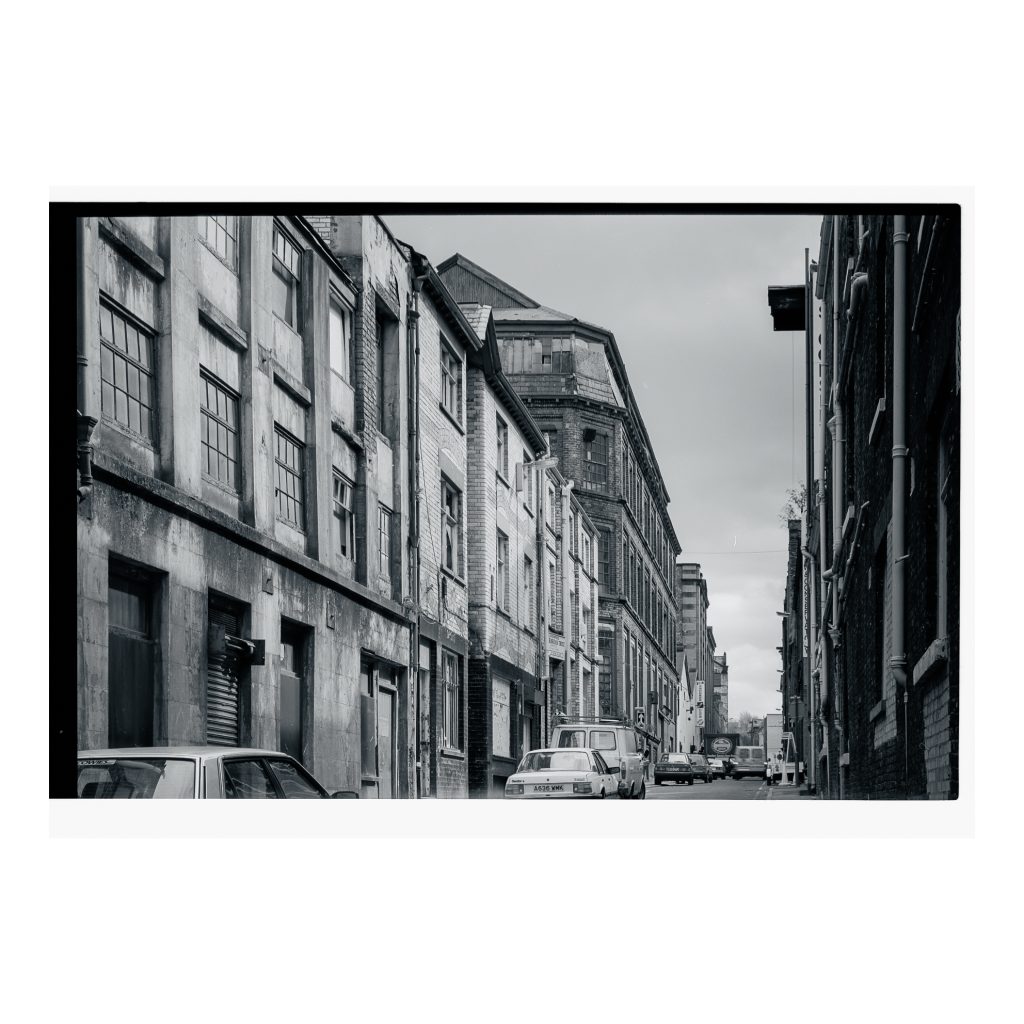
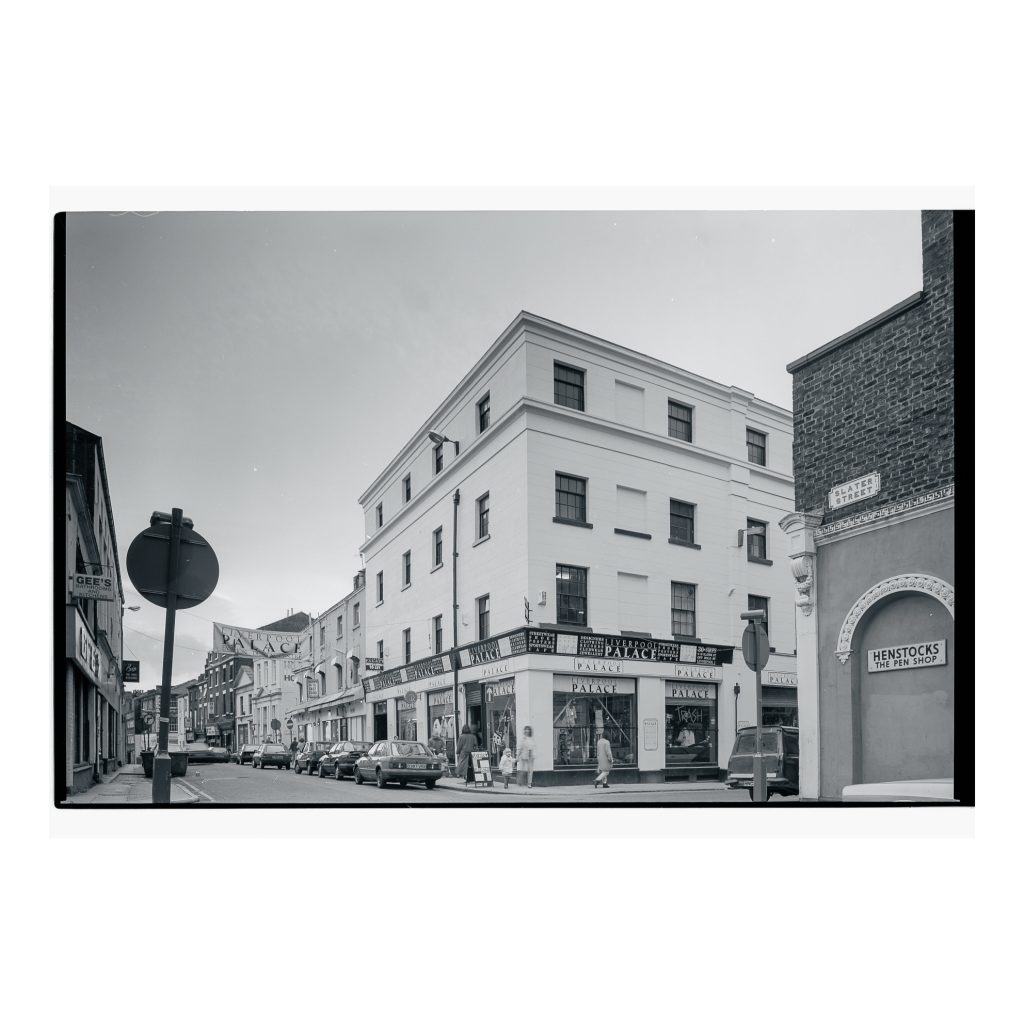
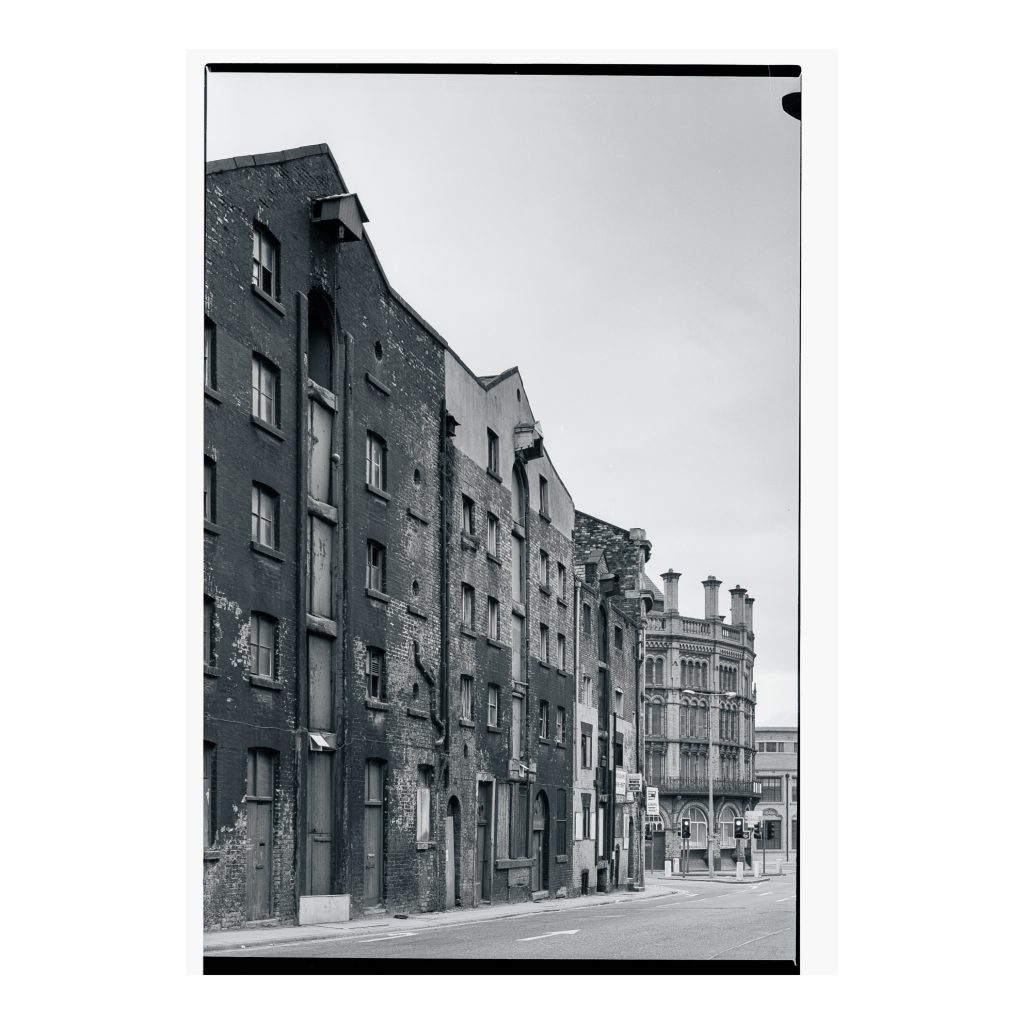
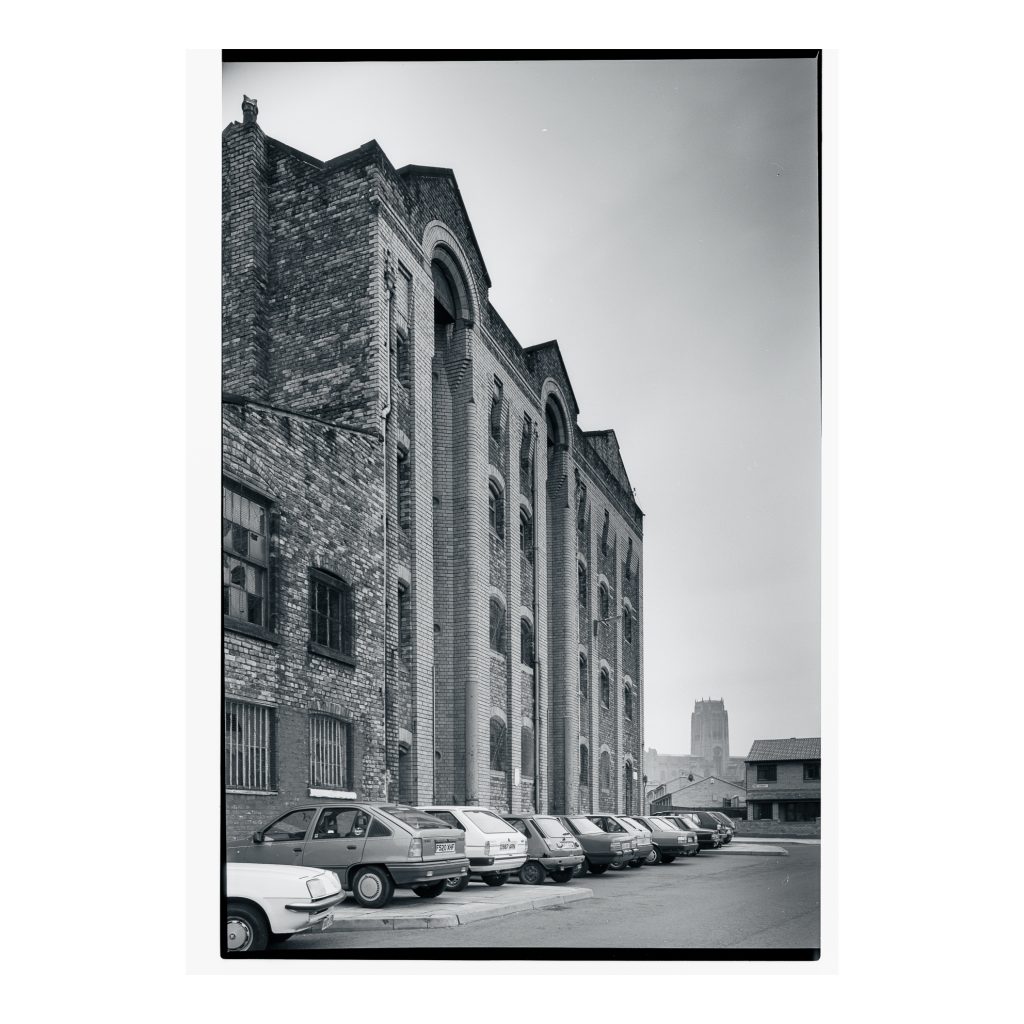
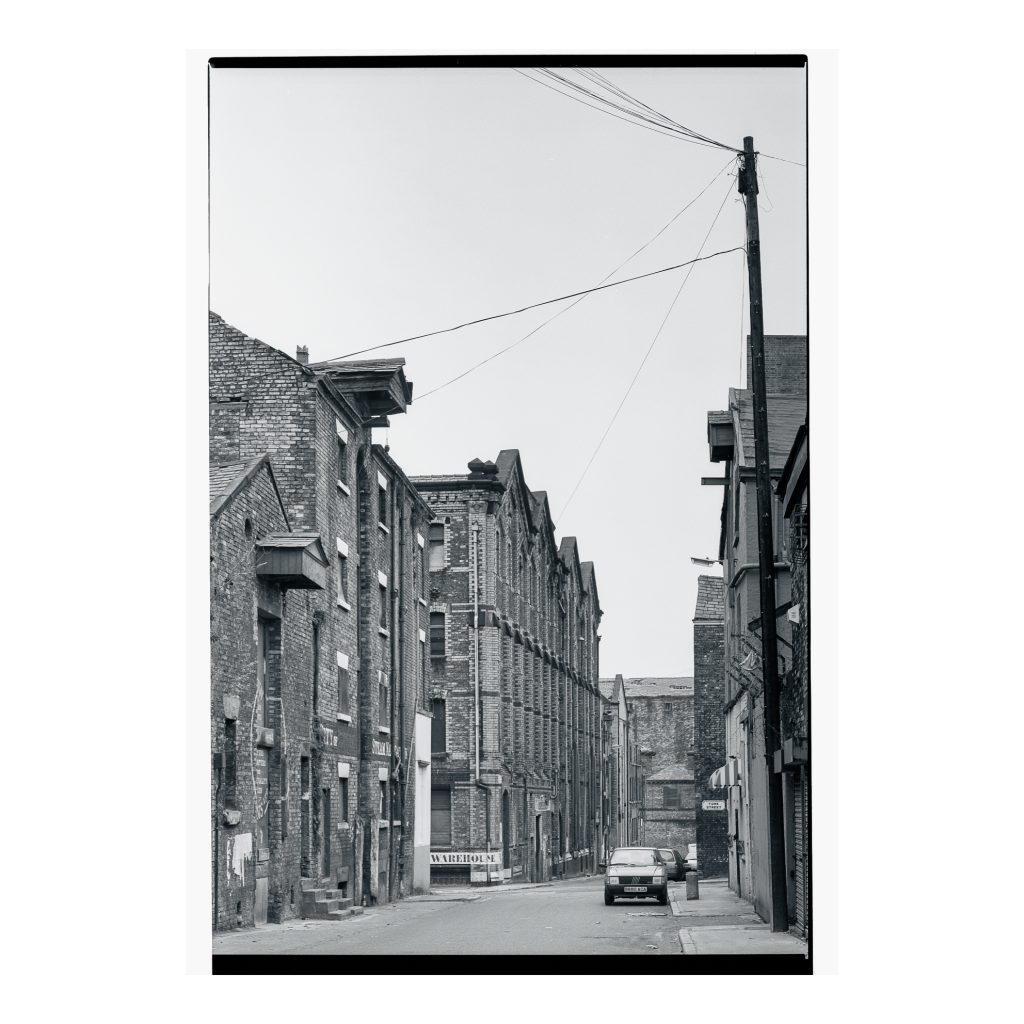
Liverpool’s name had become a shorthand for crisis, unemployment, unrest, a skyline of cranes without ships. To be sent there to photograph a proposed redevelopment scheme seemed impossibly optimistic, almost utopian.
The regeneration was to be led by Charterhouse Estates. The editor described the project as “an intriguing experiment in stewardship.” I remember thinking that was a polite way of saying a long shot. But I was curious. I wanted to see what a developer could do in a place where the normal rules of property value seemed to have collapsed , and where, perhaps, a new kind of value could be made.
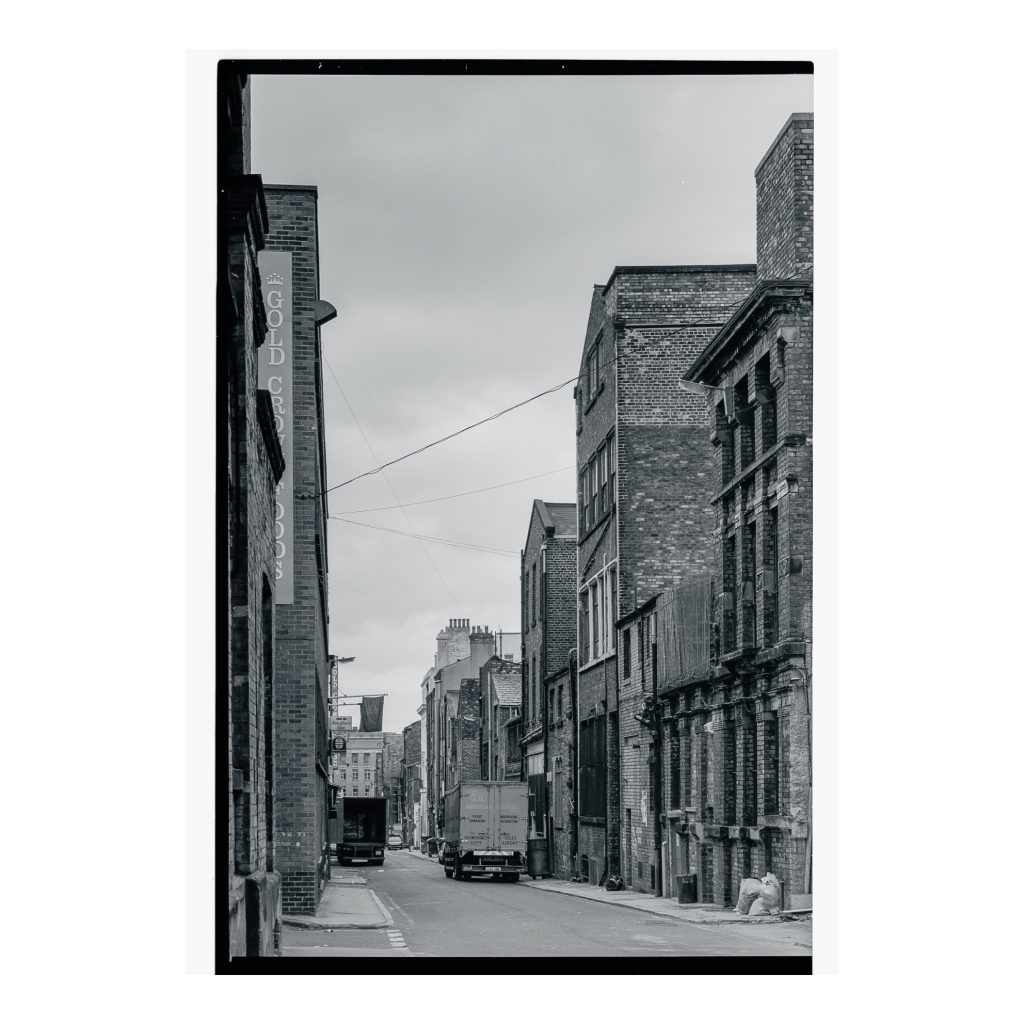
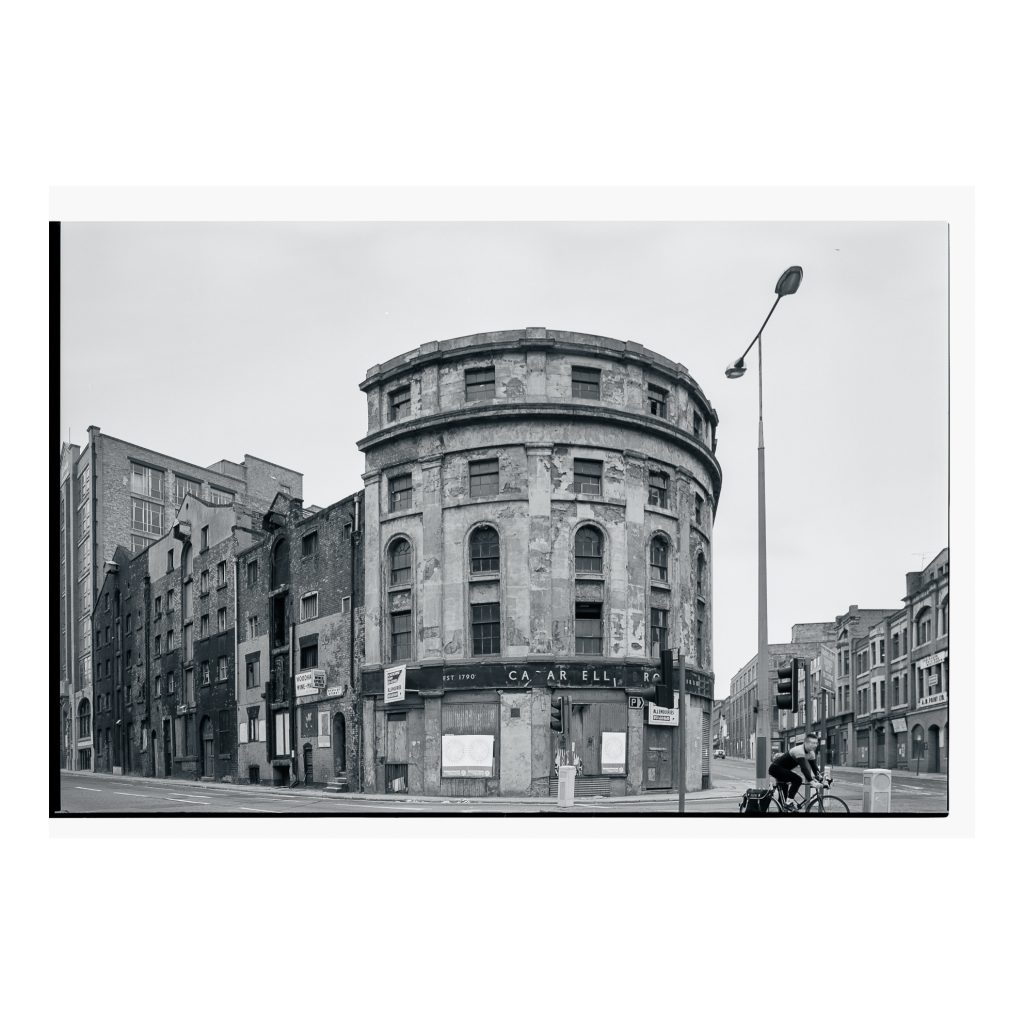
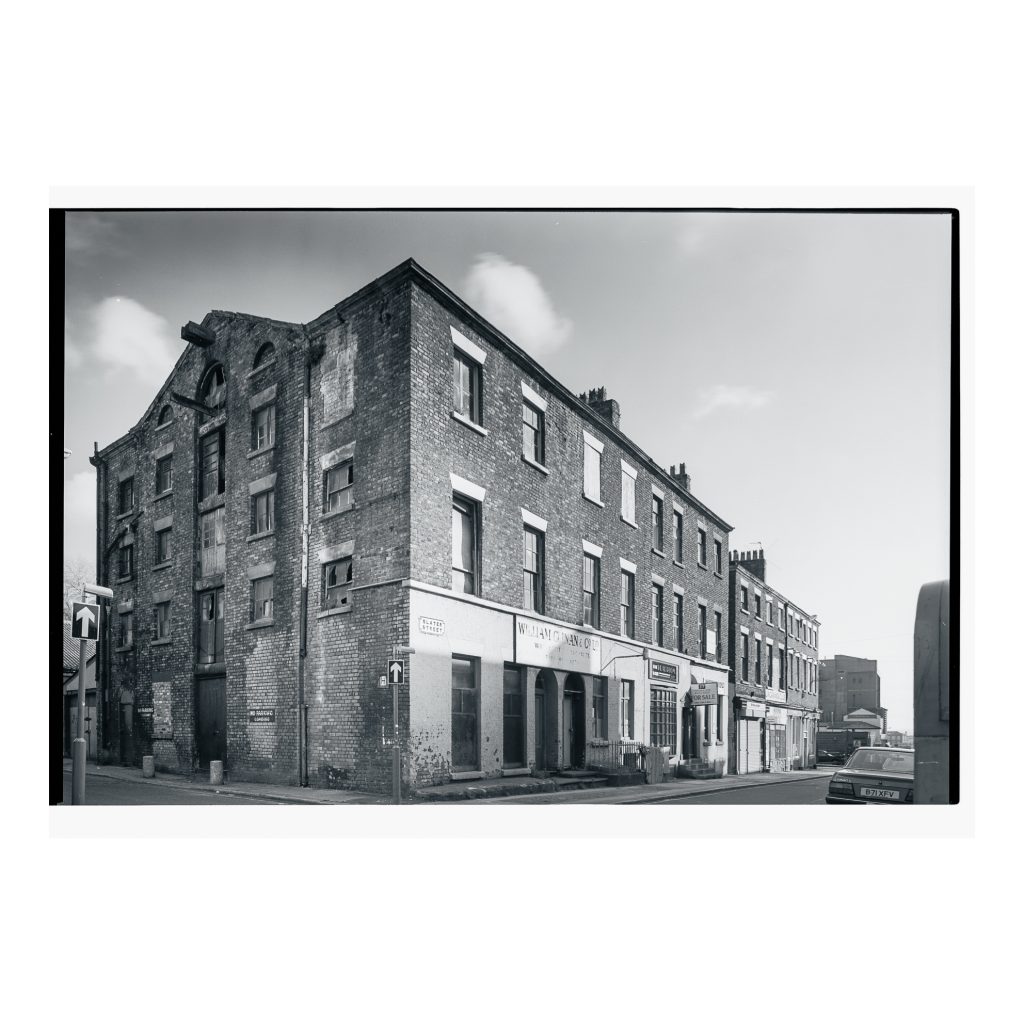
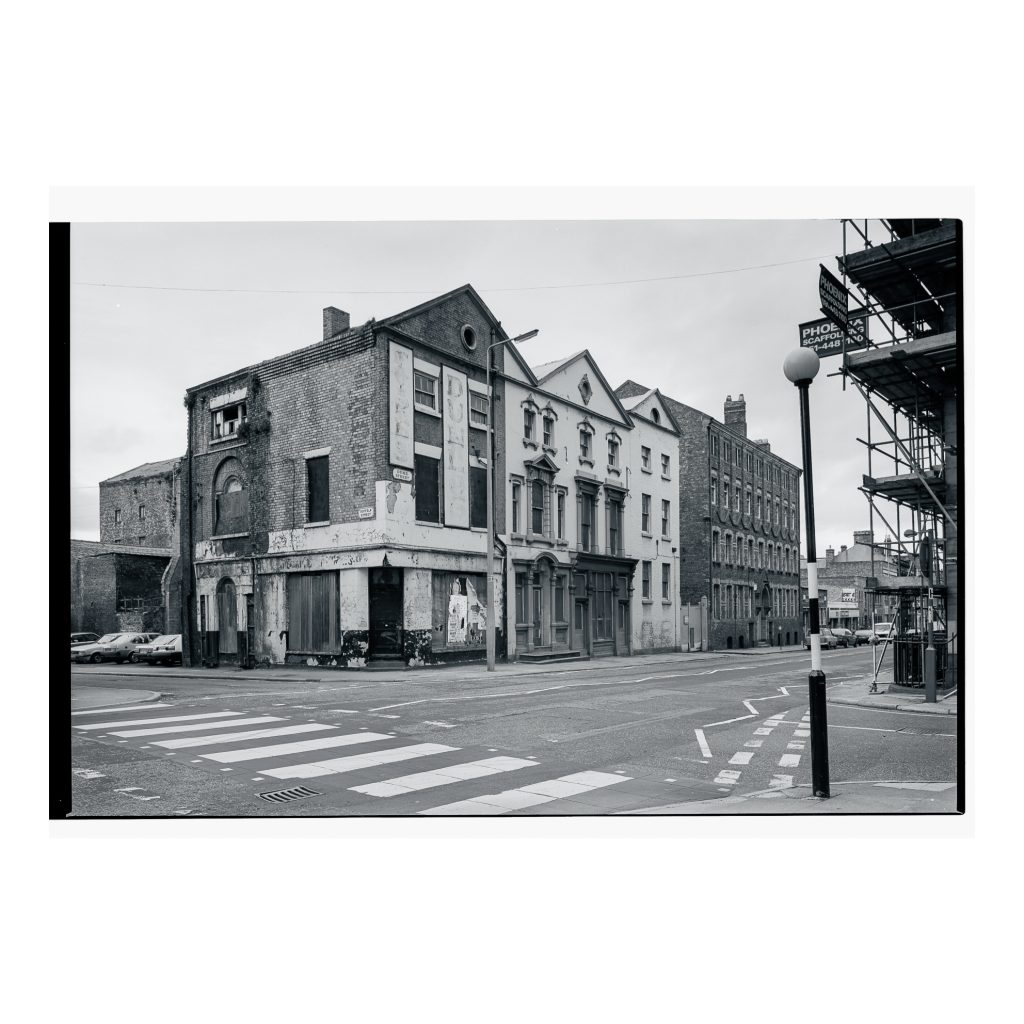
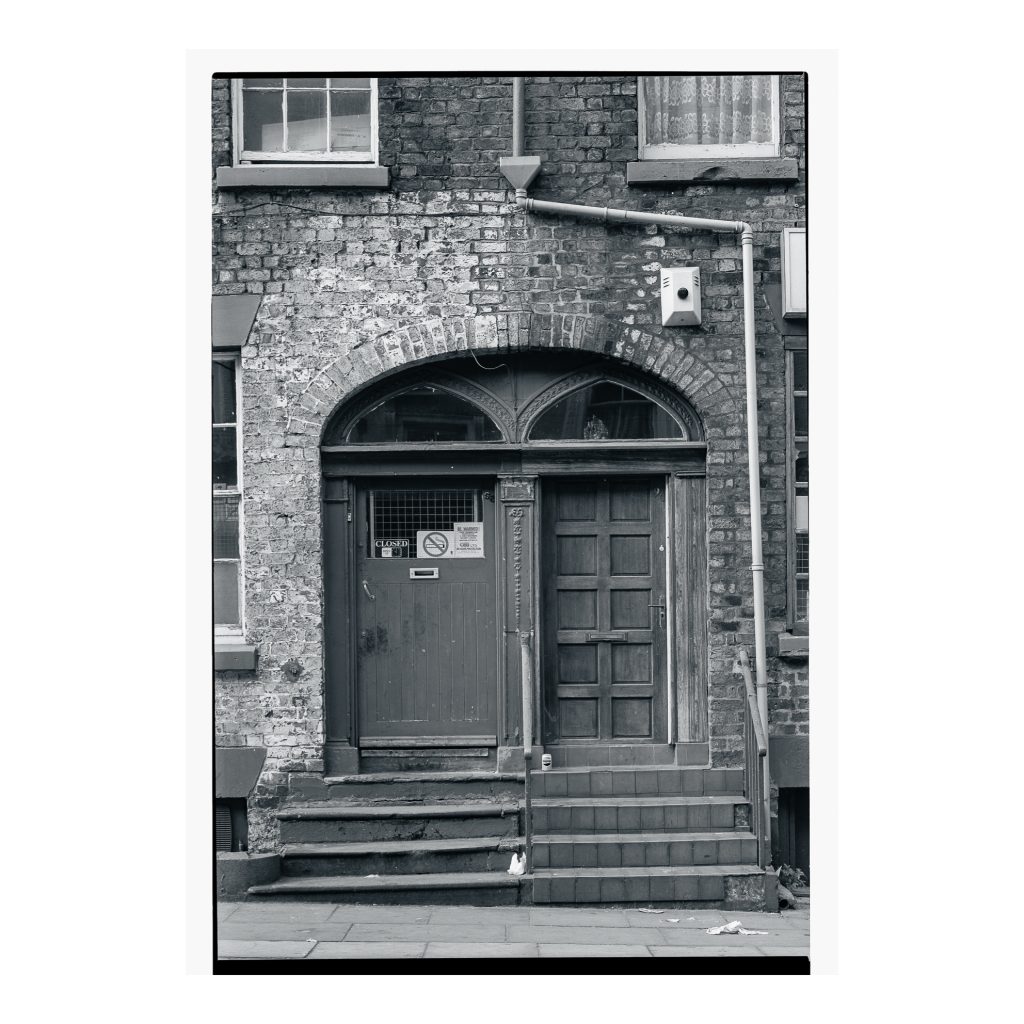
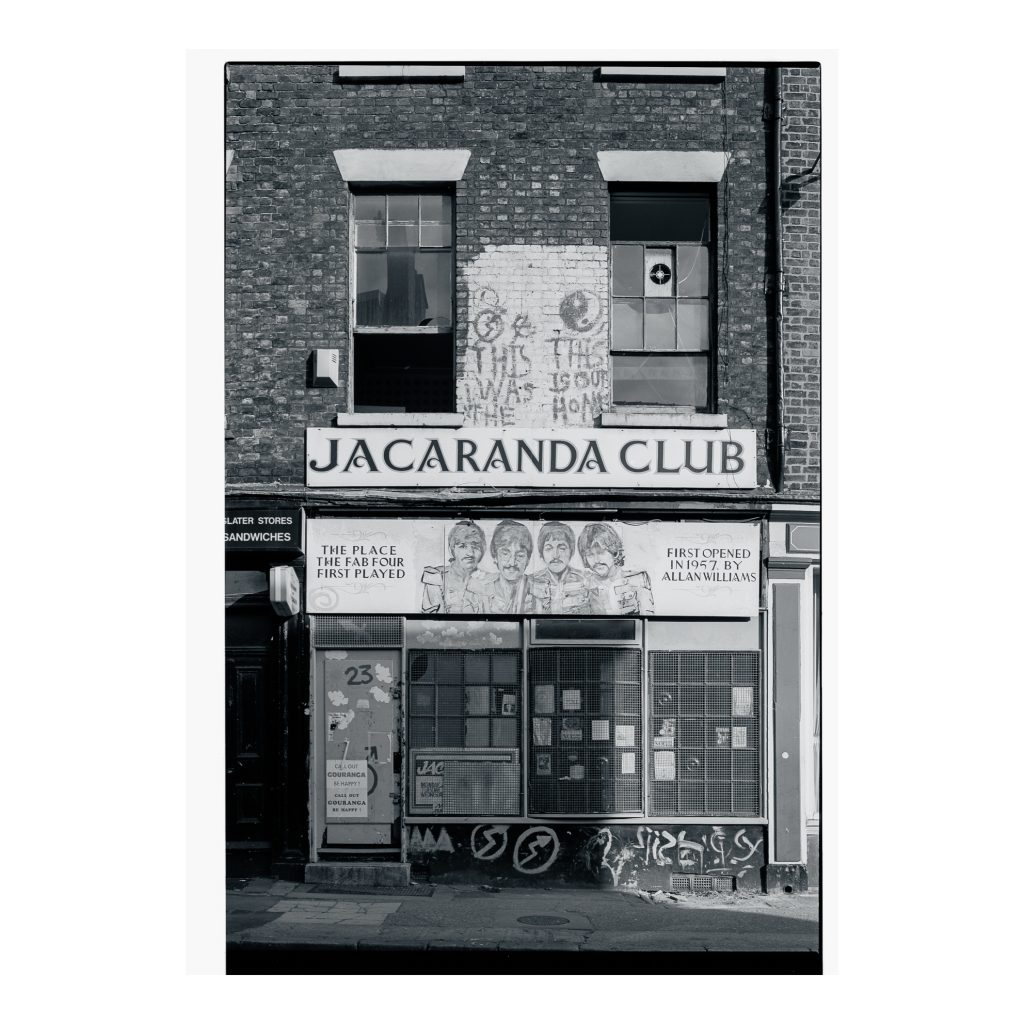
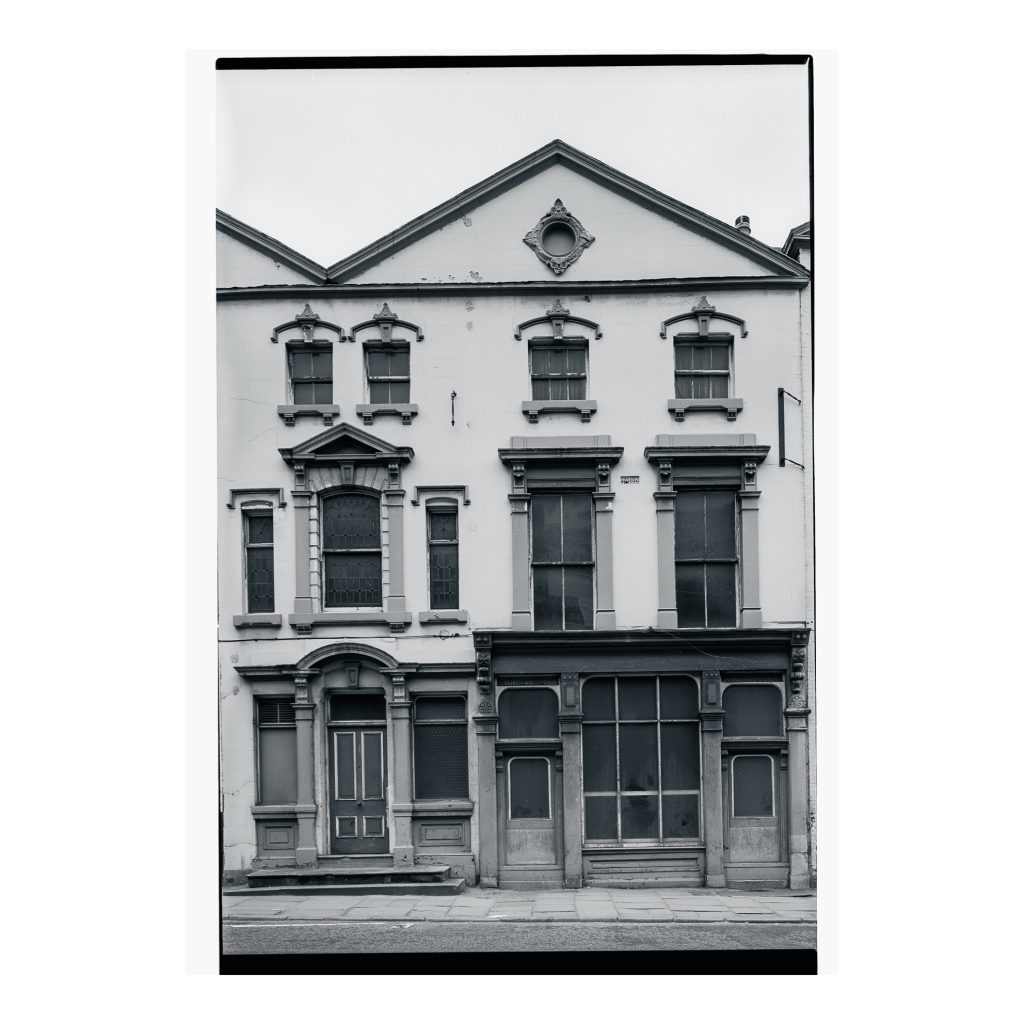
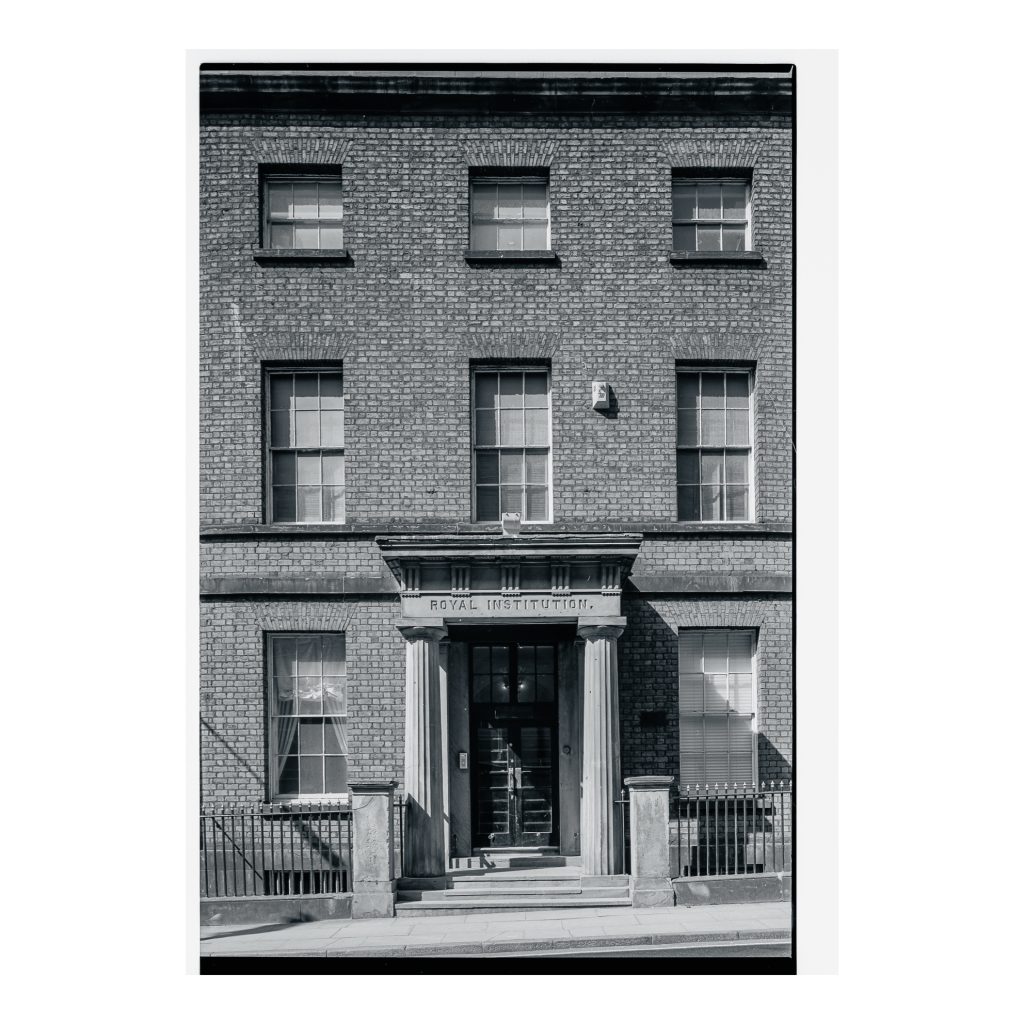
Even in decay, Liverpool held a grandeur. The city’s Georgian grid, The Ropewalks of Bold Street, Duke Street, Seel Street, still bore the logic of trade and confidence, the pattern of a place that once sailed the world.
CEL had acquired, eighty acres of crumbling warehouses, old counting houses, and narrow lanes, I realised how much of its beauty lay in its stubbornness. These buildings weren’t picturesque ruins. They were pragmatic, adaptable, built to work. And that, I discovered, was exactly what Roger Zogolovitch and his team wanted to preserve.
CEL’s plan was radical precisely because it refused the spectacle of big money. No glass towers, no glossy plazas, no false optimism. Instead, they proposed something slower and stranger: the repair and reuse of the existing fabric, the cultivation of a living, mixed city. Workshops and studios, small offices, cafés, music venues, student housing, the kind of uses that give off warmth at street level.
Zogolovitch talked about transactions, not in the financial sense, but as human exchange, the small economies of interaction that make a city breathe. His argument was that buildings had value not as property, but as vessels for activity. The task, then, was to make those activities possible again, to turn liabilities into assets through care, conversation, and patience.
CEL’s experiment wasn’t about architecture alone. It was about trust. The company wanted to act like a good local authority, a steward rather than a speculator. They spoke openly about needing local partnership, about learning to negotiate with Liverpudlian scepticism and humour.
That struck me as a rare kind of humility in the development world. Zogolovitch understood that the city’s culture, its wit, its toughness, its refusal to be impressed, was part of its value. To succeed, CEL would have to be part of the story, not just the author of it.
CEL’s approach seemed to rediscover that logic: a mix of uses, a constant exchange of space and purpose. They weren’t just preserving architecture; they were reviving a pattern of living.
Liverpool in 1991 was fragile, wounded, but full of potential. CEL’s project was brave and imperfect, an act of faith in a place many had written off. But it had asked the right question , how can we make value out of care?