There is something particular about working in London for an architect when their practice has been shaped by more than one culture.
Pardini Hall Architecture has always occupied that territory. They work in London, with all the pragmatism, complexity and accumulated history that implies, but there is an Italian instinct running through the work: an interest in proportion, material, craftsmanship and the way a room feels before anyone begins explaining it. It is less about importing an aesthetic than carrying a certain sensibility into the very specific conditions of British domestic architecture.
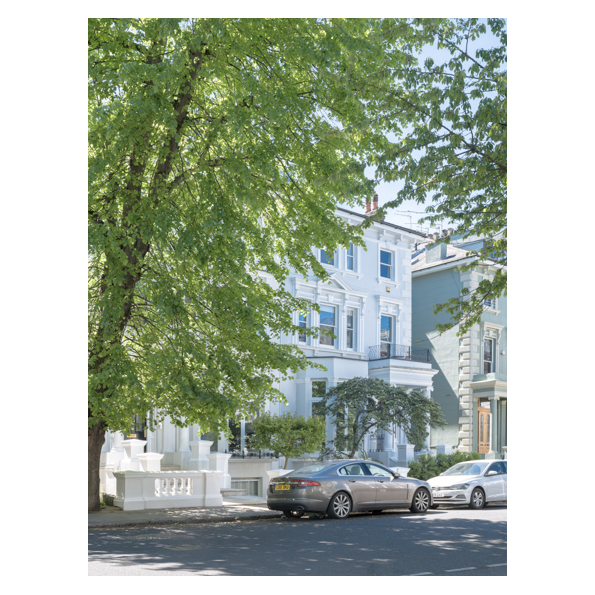
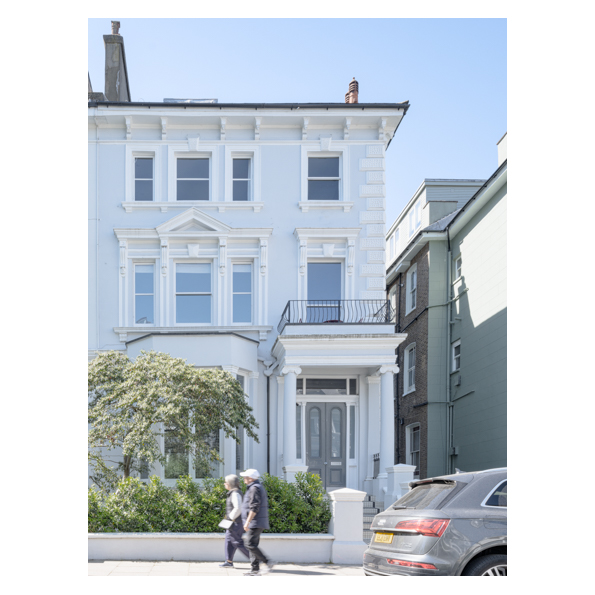
London is an extraordinary place in which to do this because so much of its housing already exists. Terraces, mansion blocks, villas, mews houses and converted institutional buildings have been adapted repeatedly over generations. They were built for different families, different patterns of work, different expectations of privacy and domestic life. The most interesting architectural question is often not what to replace, but what can be understood, retained and carefully altered.
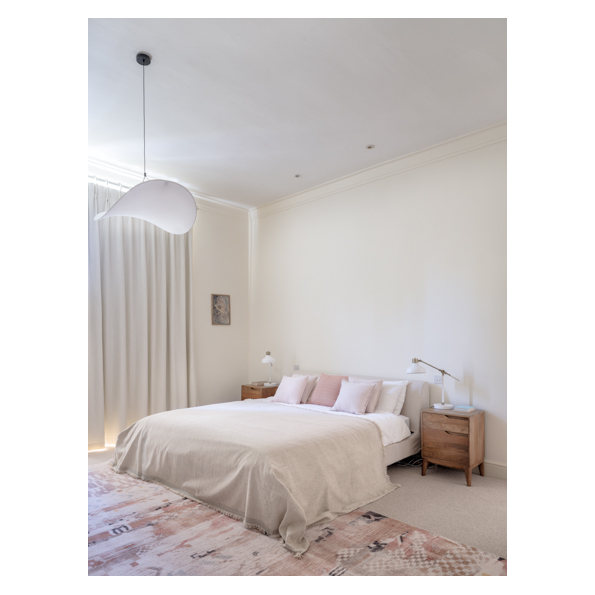
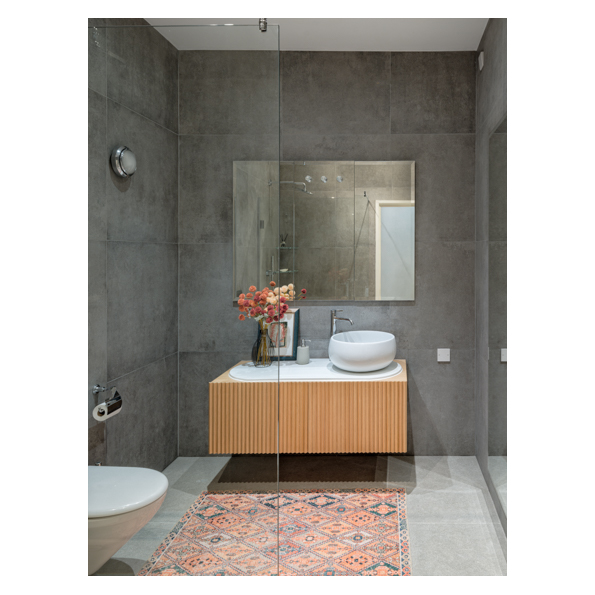
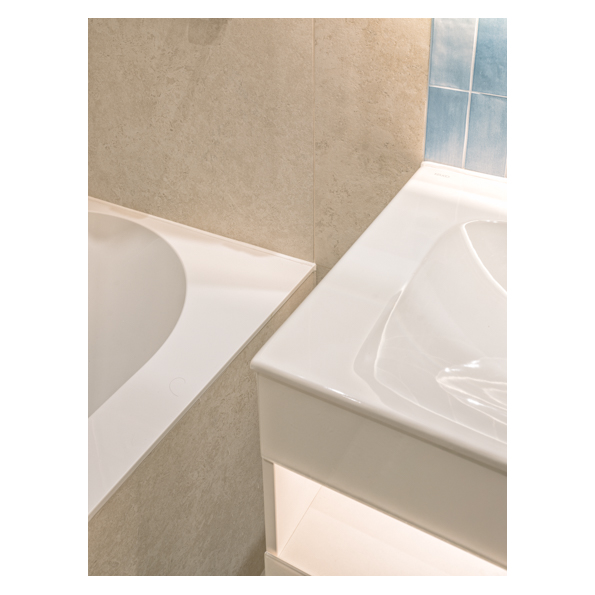
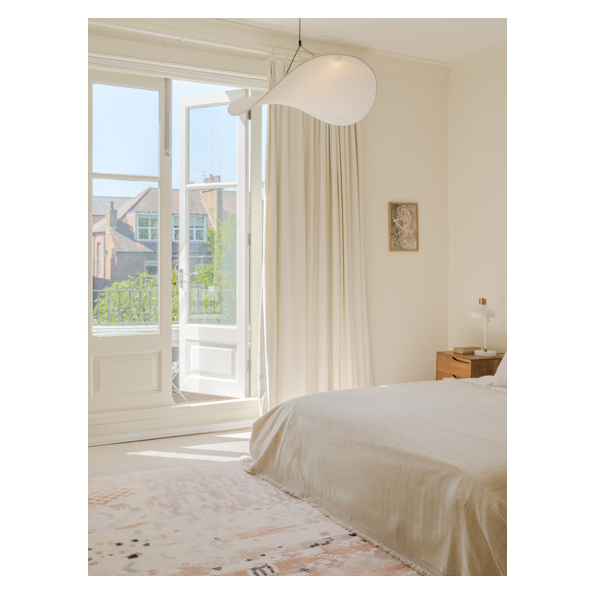
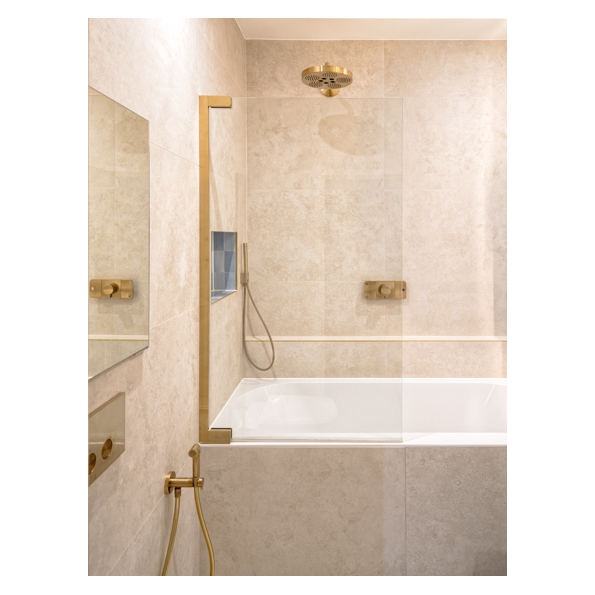
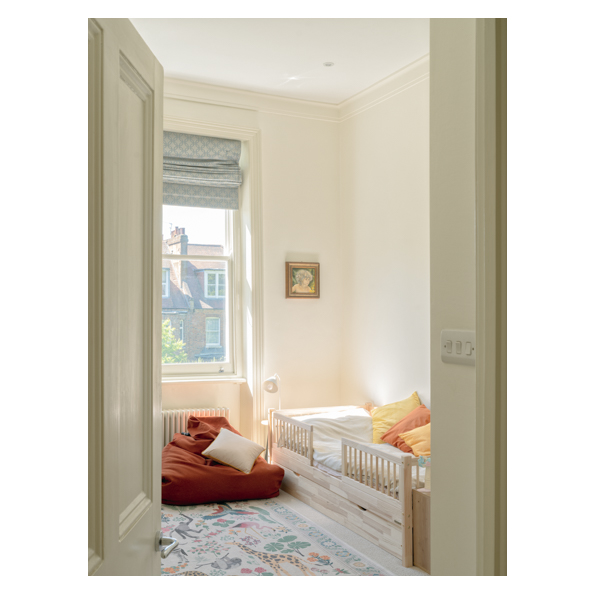
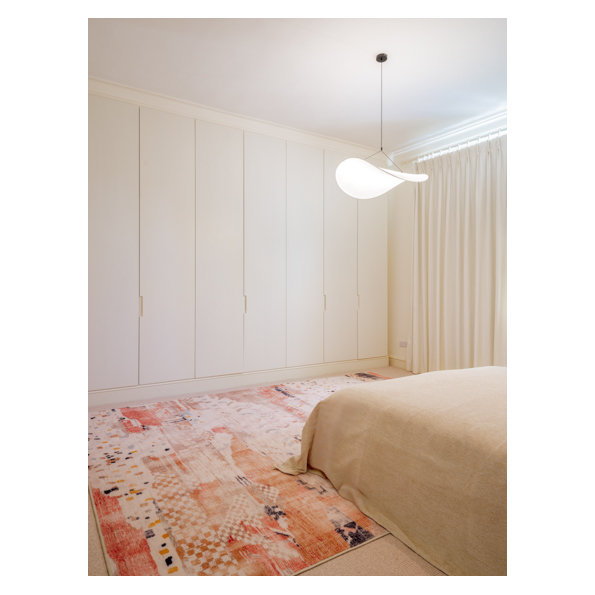
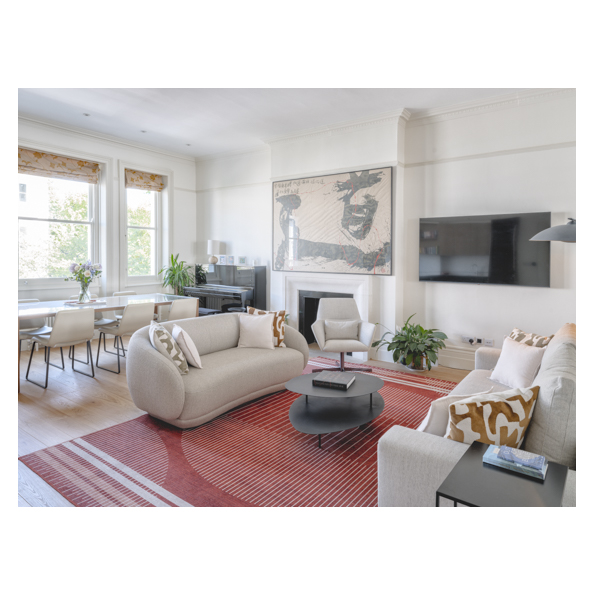
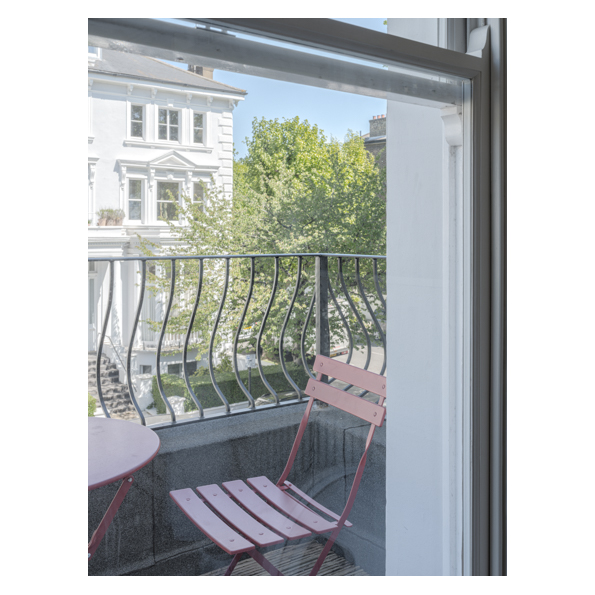
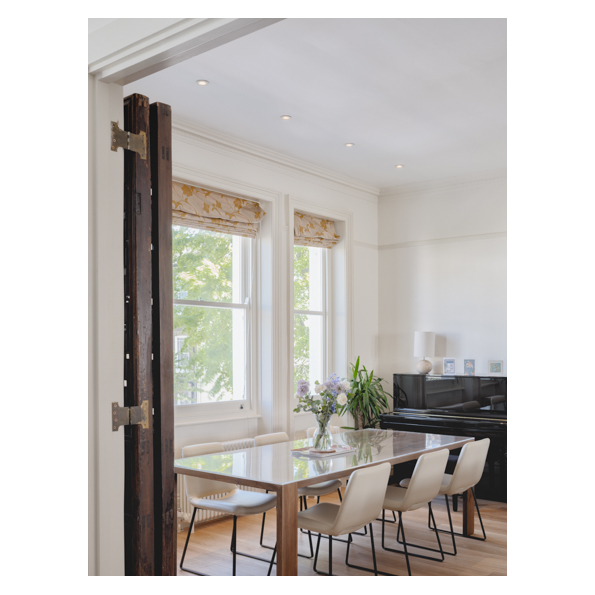
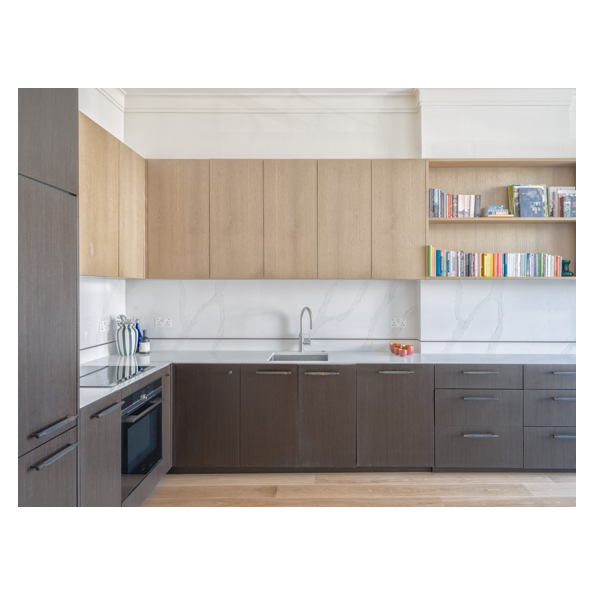
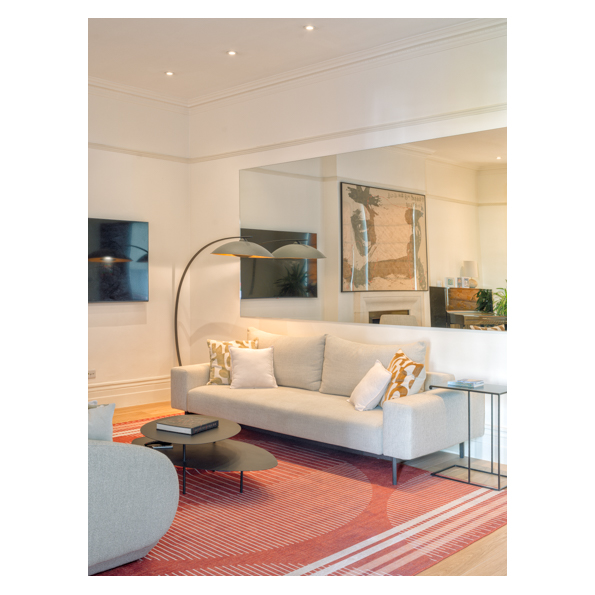
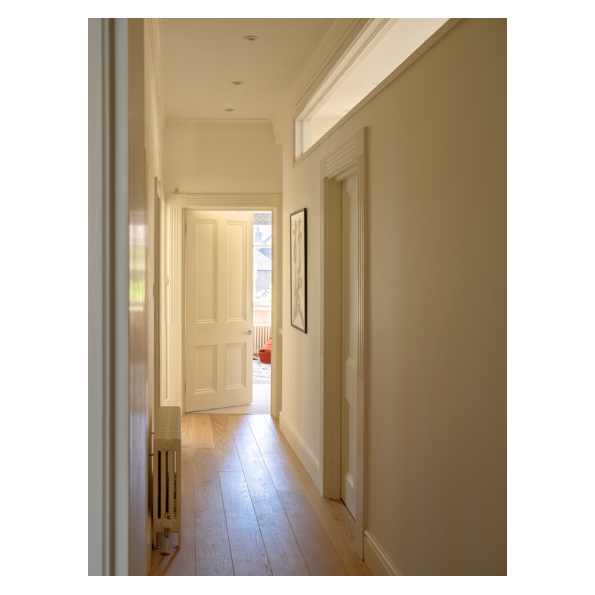
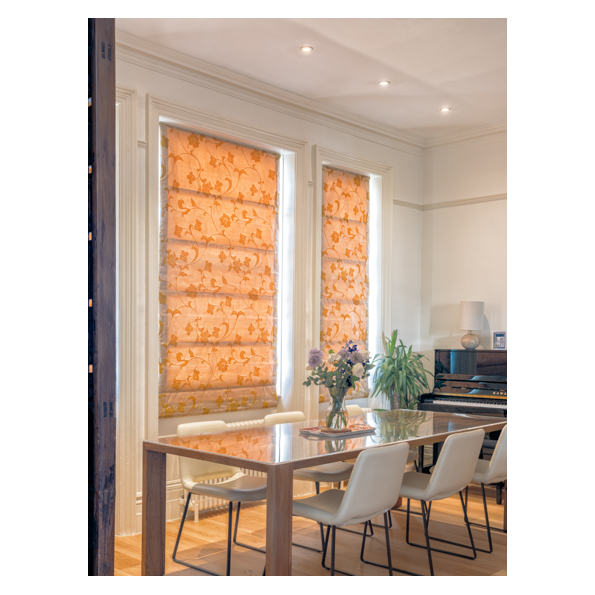
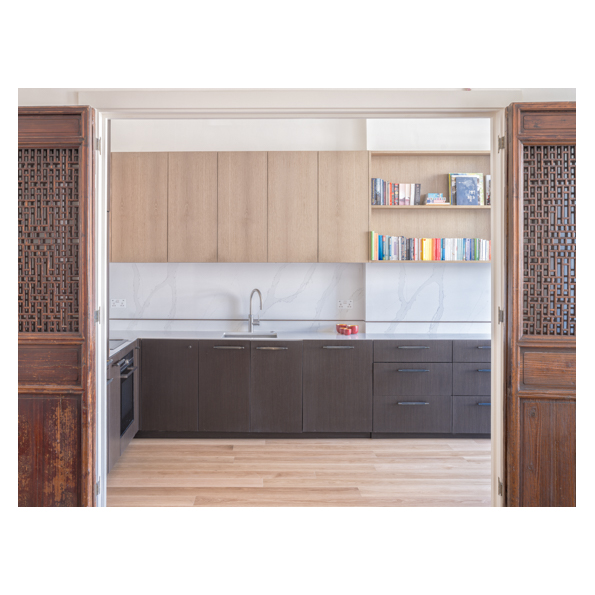
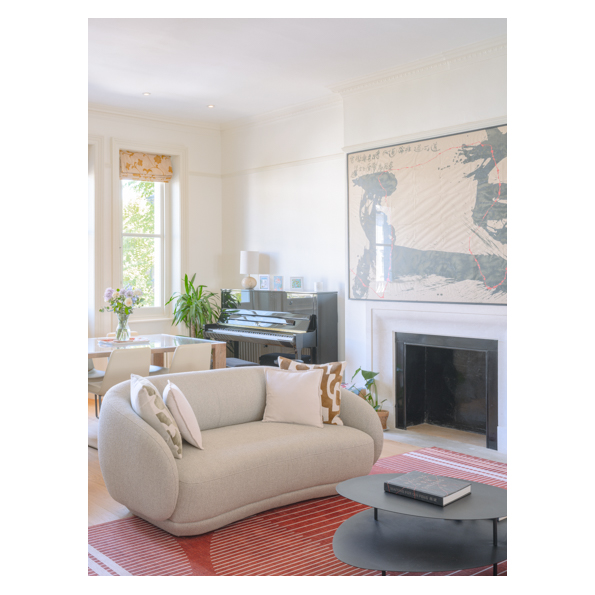
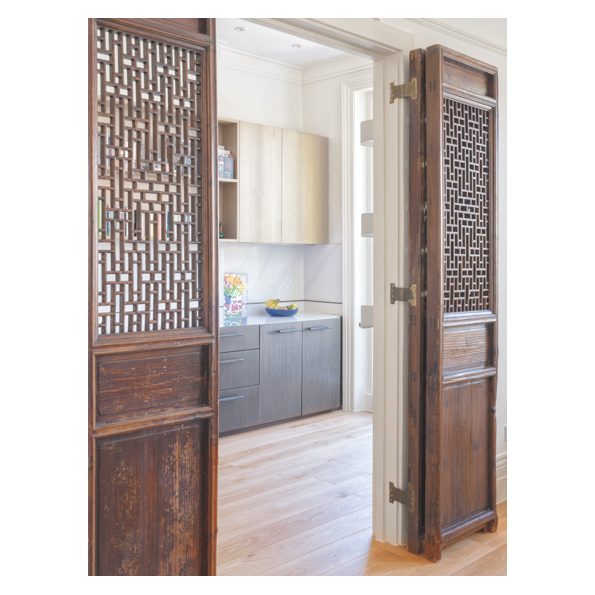
Pardini Hall’s recent work on a period apartment in Hampstead is a good example. The apartment remained exactly the same size, yet its usefulness changed considerably. An oversized entrance hall surrendered enough space to create a third room. A walk-in wardrobe became an en-suite. Bespoke joinery took over the storage previously held elsewhere. Existing terraces became genuinely usable parts of family life. Flooring, lighting, windows and bathrooms were reconsidered as part of the same architectural whole.
These are relatively precise interventions, but together they change the way a family inhabits the apartment.
That distinction matters. Residential architecture is not simply an exercise in composing attractive rooms. Family life places very particular demands on a plan: places to retreat, places to gather, somewhere to work, somewhere for children to change and grow, storage that absorbs the untidy evidence of everyday life, and rooms capable of changing their purpose over time.
Good domestic architecture has to accommodate all of this without allowing function to become the only thing one sees.
Perhaps this is where the marriage of British and Italian sensibilities becomes most interesting for the photographer. There is a British seriousness about usefulness, adaptation and the intelligence of existing buildings. Alongside it sits an Italian understanding that utility does not preclude pleasure: that the grain of timber, the weight of a door, the profile of a piece of joinery, the relationship between stone and painted plaster, or the proportions of an opening all contribute to the experience of home.
Taste, in this context, is not decoration applied at the end. It is embedded in decisions. And when done well an old London home does not feel preserved in time, It feels ready for another generation.